
The Journey Beyond the Final Adjustment
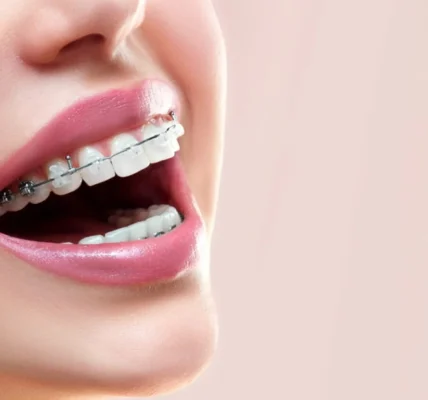
The day braces Stoke-on-Trent, and indeed in any location, come off represents a significant milestone for orthodontic patients, marking the culmination of months or even years of treatment. However, what many people fail to realise is that this moment isn’t quite the finish line they imagined. The phenomenon of orthodontic relapse—whereby teeth gradually shift back towards their original positions—affects a surprising number of patients who have completed their treatment. Understanding why this occurs and how to prevent it requires a closer look at the biological mechanisms at play within the mouth.
Orthodontic relapse is far more common than most patients anticipate, with studies suggesting that some degree of tooth movement occurs in the majority of cases following treatment completion. This doesn’t necessarily indicate a failure of the original treatment; rather, it reflects the dynamic nature of the human dentition and the complex forces that act upon teeth throughout a person’s lifetime. The teeth exist within a delicate equilibrium of pressures from the lips, cheeks, tongue, and surrounding bone structure, all of which continue to exert influence long after the final wire has been removed.
The Science Behind Tooth Movement
Teeth are not rigidly fixed within the jawbone, contrary to what many assume. Each tooth is suspended within its socket by a remarkable structure called the periodontal ligament, a network of collagen fibres that acts rather like a sophisticated hammock. During orthodontic treatment with braces, controlled forces are applied to stretch these fibres on one side whilst compressing them on the other, gradually encouraging the tooth to move through the bone. The bone itself undergoes constant remodelling, with cells breaking down old bone on the pressure side whilst building new bone on the tension side.
What makes relapse particularly challenging is that these periodontal fibres possess a remarkable memory. Even after teeth have been held in their new positions for extended periods, the stretched and reorganised fibres retain a tendency to contract back to their original configuration. This biological memory can persist for years, which explains why strategies for preventing orthodontic relapse must be maintained long-term rather than abandoned shortly after treatment ends.
Common Factors Contributing to Relapse
Several key factors influence the likelihood and extent of orthodontic relapse. Age at the time of treatment plays a significant role, with younger patients often experiencing more stable results due to the greater adaptability of their developing bone structure. However, adults can achieve excellent outcomes as well, provided they remain diligent with retention protocols. The severity of the original malocclusion also matters considerably; teeth that required substantial movement to achieve their corrected positions face a stronger tendency to drift back towards their starting points.
Growth patterns present another variable that orthodontists must consider carefully. Whilst the jaw typically stops growing in the late teenage years, subtle changes can continue well into adulthood. These ongoing developmental shifts can affect tooth positioning even when retention devices are worn conscientiously. Additionally, habits such as tongue thrusting, mouth breathing, or thumb sucking can create persistent forces that gradually push teeth out of alignment, undoing the careful work achieved during active treatment.
The Role of Wisdom Teeth
For decades, wisdom teeth were blamed as a primary culprit in orthodontic relapse, particularly the crowding of the lower front teeth. Whilst contemporary research has somewhat challenged this assumption, the eruption of third molars can still contribute to unwanted tooth movement in certain cases. The complex aetiology of orthodontic relapse means that multiple factors often work in concert rather than any single cause being solely responsible.
Maintaining Your Perfect Smile
The importance of retention cannot be overstated when it comes to preserving orthodontic results. Retainers serve as the guardians of a newly aligned smile, holding teeth in their corrected positions whilst the surrounding bone and soft tissues stabilise. Fixed retainers, bonded to the back of the teeth, offer continuous protection without relying on patient compliance, whilst removable retainers provide flexibility and ease of cleaning. Many orthodontists now recommend lifelong retention, even if only on a part-time basis, recognising that adult orthodontic relapse remains a genuine concern throughout life. Regular dental check-ups allow professionals to monitor tooth positions and intervene early if any shifting begins, ensuring that the investment in braces delivers lasting benefits for years to come.