
Laboratory studies examine how peptide compounds may influence cells, blood vessels plus connective structures.Researchers studying BPC-157 plus TB-500 currently focus mainly on proposed repair mechanisms.Current evidence remains limited because strong human research has not established reliable outcomes.Careful scientific review therefore separates promising laboratory findings from proven clinical conclusions.
Peptide Signals Guide Cellular Repair Processes
Peptides can act as biological messengers that influence communication between different cells. Researchers study these signals to understand how damaged tissue organizes its natural response.
Laboratory models examine cell movement, vessel formation plus structural rebuilding during recovery. These observations help scientists identify mechanisms requiring stronger confirmation through controlled human studies.
Laboratory Findings Require Careful Scientific Review
Early experiments can reveal possible biological actions without proving real world effectiveness. Animal models plus cell studies provide useful starting information for later research questions.
Evidence becomes stronger when independent teams reproduce results using clear methods. Larger controlled studies remain important for understanding safety plus measurable outcomes over longer periods.
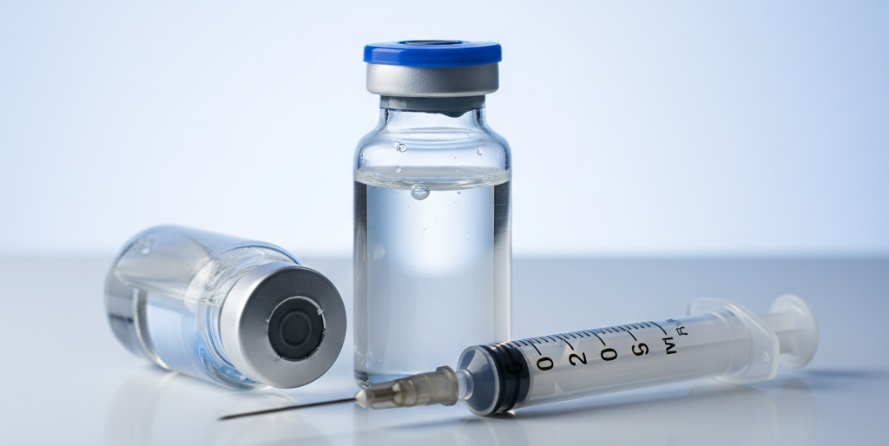
Research Examines Several Repair Mechanisms
Current investigation considers several biological pathways connected with tissue restoration. Scientists compare separate mechanisms before deciding which findings deserve deeper examination.
Researchers also assess whether observed laboratory changes translate into meaningful human outcomes. That distinction prevents early findings from becoming stronger claims than evidence supports.
- Cell signaling studies examine communication during organized tissue repair responses.
- Vessel research measures circulation changes around recovering biological structures carefully.
- Structural studies assess collagen activity during controlled laboratory repair models.
- Movement experiments track cellular migration toward areas requiring biological rebuilding.
- Inflammation research observes signaling changes without assuming proven human outcomes.
Evidence Standards Shape Responsible Peptide Discussion
Good research depends upon controlled methods plus transparent reporting across published studies. Reliable conclusions require consistent findings that independent research groups can reproduce.
Safety deserves equal attention because experimental compounds may carry unknown risks. Current regulatory reviews emphasize limited human information plus concerns about product quality.
| Research Area | Current Scientific Focus | Evidence Position |
| Cell communication | Signals connected with repair responses | Mostly early research |
| Tissue structure | Changes observed during rebuilding processes | Limited human evidence |
| Vessel development | Formation of supporting blood pathways | Mainly laboratory findings |
| Safety assessment | Possible reactions plus product quality | Important evidence gaps |
| Human outcomes | Measurable recovery related results | Stronger trials still needed |
The table shows why biological promise should remain separate from confirmed effectiveness. Stronger evidence requires human research with suitable controls plus transparent reporting.
- Controlled trials help distinguish genuine effects from unrelated recovery changes.
- Larger samples provide clearer information about uncommon safety concerns overall.
- Independent replication strengthens confidence when separate researchers obtain similar findings.
- Longer observation periods reveal outcomes missed during shorter research projects.
- Clear reporting helps readers separate measured results from unsupported assumptions.
Common Questions About Current Research
- What does heal peptide research currently examine?Research mainly examines biological signaling plus mechanisms connected with tissue rebuilding. Much of the available information comes from laboratory or animal studies. Human evidence remains comparatively limited for several experimental compounds.
- Why are laboratory findings not enough?Laboratory findings show what might happen under carefully controlled research conditions. Human biology contains many additional factors that can change expected results. Controlled clinical studies are therefore necessary before firm effectiveness claims become reliable.
- Are experimental peptides proven for tissue recovery?Evidence differs greatly among compounds plus proposed uses under investigation. Some laboratory findings appear promising while human safety information remains incomplete. Experimental findings should not be treated as established proof of clinical effectiveness.
Evidence Guides Progress
Future progress depends upon stronger studies that measure meaningful outcomes carefully.Clear reporting can separate promising biological observations from unsupported health claims.Researchers must also examine purity plus longer-term safety before confidence grows.Scientific discussion around BPC-157 plus TB-500 should remain grounded in verified evidence.Responsible evaluation creates a clearer path toward dependable knowledge about repair biology.